
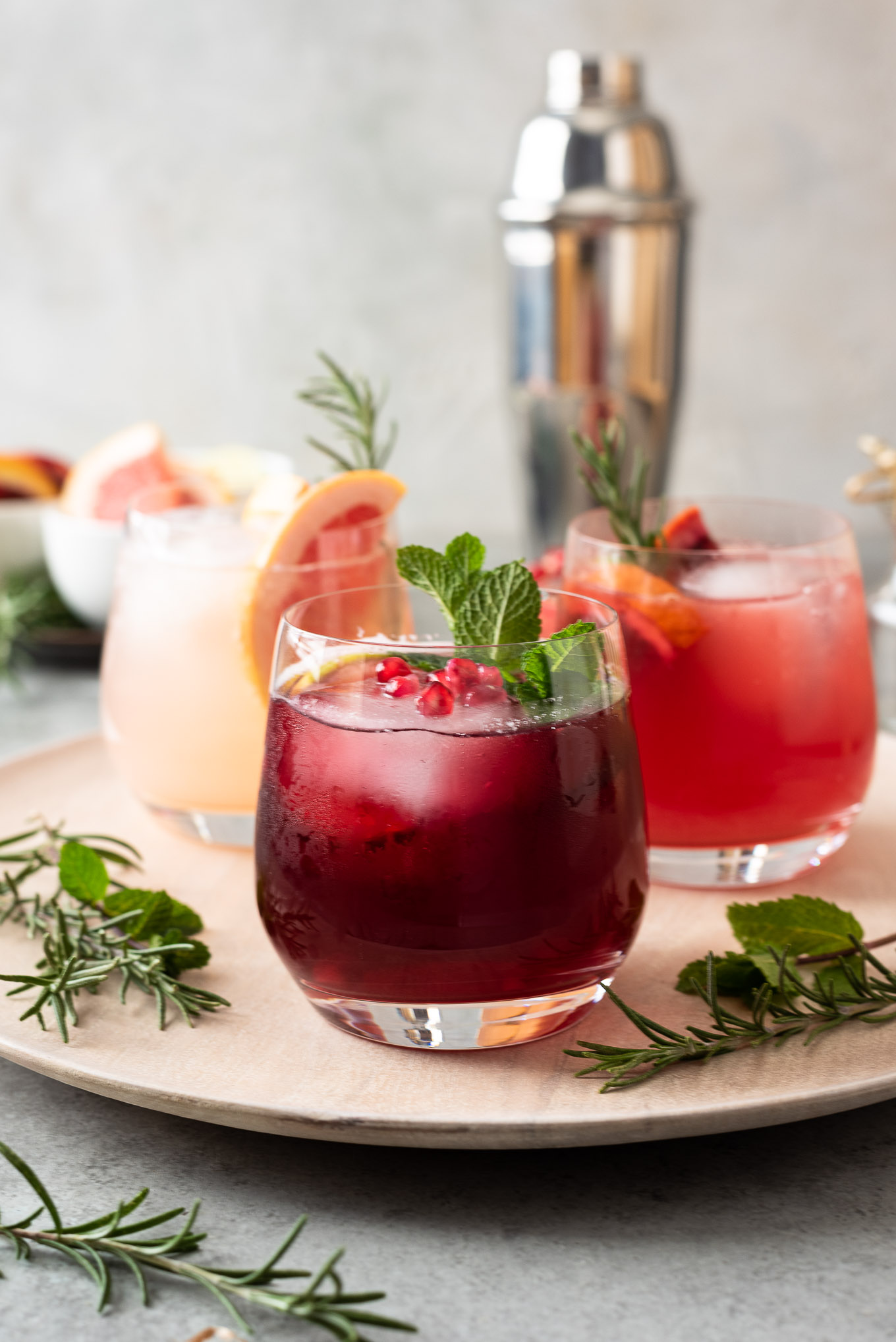
Vodka is one of the most popular spirits in the world because it blends well with almost any flavor. That is why people often search for cocktail recipes for vodka—it is simple, versatile, and perfect for both beginners and experienced home bartenders. Whether you prefer fruity, sweet, or strong drinks, vodka can be used to create countless cocktails.
In this guide, you will find easy and delicious vodka cocktail ideas you can make at home with basic ingredients.
🍸 Why Vodka Works So Well in Cocktails
Vodka is known for its neutral taste, which means it does not overpower other ingredients. Instead, it enhances flavors like fruit juice, soda, herbs, and spices. This makes it one of the best bases for mixing drinks.
Key benefits:
- Smooth and neutral flavor
- Mixes with almost any ingredient
- Easy to prepare cocktails
- Works for both strong and light drinks
🍹 Easy Cocktail Recipes for Vodka
Here are some simple and popular cocktail recipes for vodka you can try at home.
1. Vodka Soda
A classic low-calorie cocktail.
Ingredients:
- Vodka
- Soda water
- Ice
- Lime wedge
Method:
Fill a glass with ice, add vodka, top with soda water, and squeeze lime.
👉 Light, refreshing, and perfect for casual drinking.
2. Vodka Lemonade
Sweet, sour, and very refreshing.
Ingredients:
- Vodka
- Lemonade or lemon juice
- Sugar syrup (optional)
- Ice
Method:
Mix vodka and lemonade over ice and stir well.
👉 Great summer drink with balanced flavor.
3. Bloody Mary
A famous savory cocktail.
Ingredients:
- Vodka
- Tomato juice
- Lemon juice
- Salt, pepper, chili
- Worcestershire sauce
Method:
Shake all ingredients with ice and serve cold.
👉 Strong, spicy, and ideal for brunch.
🍓 Fruity Cocktail Recipes for Vodka
If you prefer sweet drinks, try these fruity options:
4. Cranberry Vodka Cocktail
Ingredients:
- Vodka
- Cranberry juice
- Orange slice
- Ice
👉 Tart, sweet, and refreshing.
5. Orange Vodka Mix
Ingredients:
- Vodka
- Orange juice
- Soda water
- Ice
👉 Light citrus flavor with a refreshing finish.
6. Berry Vodka Smash
Ingredients:
- Vodka
- Mixed berries
- Mint leaves
- Lemon juice
- Sugar syrup
Method:
Muddle berries and mint, add vodka and lemon juice, shake well.
👉 Fruity and aromatic cocktail.
🧊 Popular Party Cocktail Recipes for Vodka
These drinks are great for gatherings and parties:
7. Vodka Tonic
- Vodka
- Tonic water
- Lime
- Ice
👉 Crisp, bitter, and refreshing.
8. Screwdriver
- Vodka
- Orange juice
- Ice
👉 Simple, sweet, and very easy to make.
🧠 Tips for Better Vodka Cocktails
To improve your cocktail recipes for vodka, follow these tips:
- Always use chilled vodka for smoother taste
- Use fresh juice instead of bottled juice
- Balance sweet and sour flavors
- Use clean ice for better taste
- Don’t overmix ingredients
🍸 Conclusion
Learning cocktail recipes for vodka is one of the easiest ways to enjoy creative drinks at home. From simple mixes like Vodka Soda to fruity cocktails like Cranberry Vodka or Orange Vodka, the possibilities are endless.
Vodka’s versatility makes it perfect for experimenting with flavors, so you can always create a drink that matches your taste and mood.