
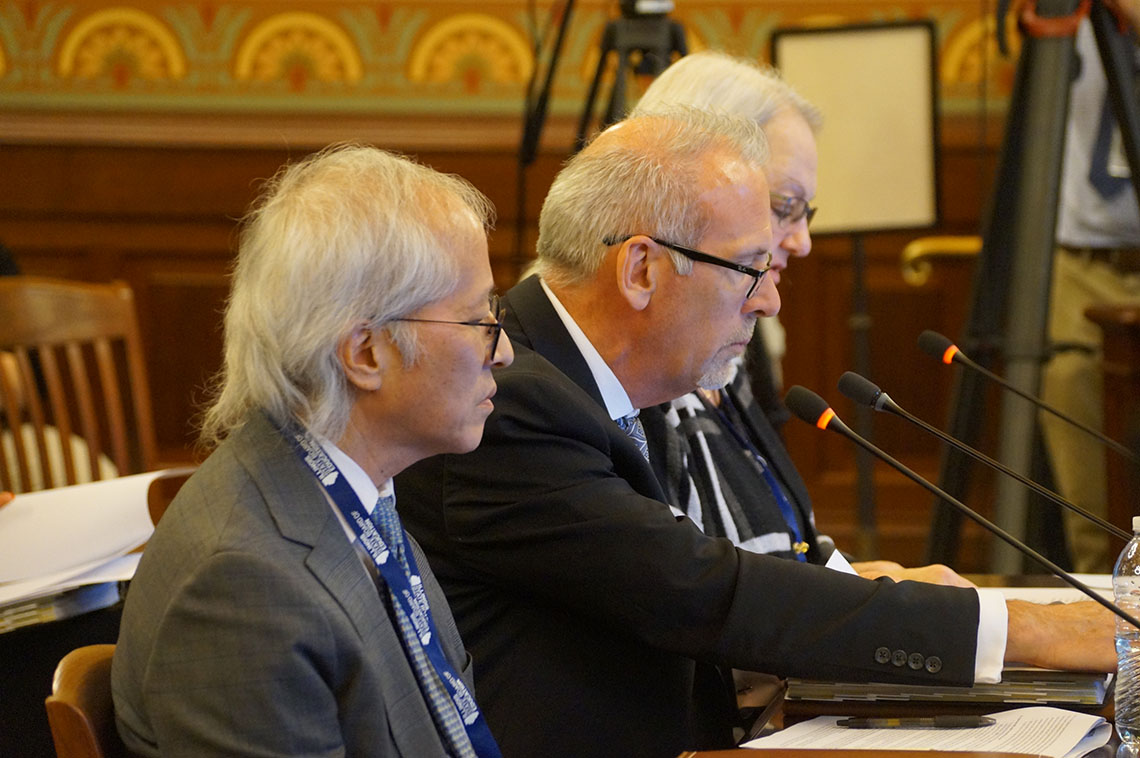
A guest perspective on the government officials who shape K-12 and higher education funding policy from above, and why they remain almost invisible outside state government circles.
There is a layer of government decision-making that touches nearly every dollar spent by school districts and public colleges and universities in the country, and that receives almost no attention from anyone outside the narrow circle of state government and education policy professionals who deal with it directly. State departments of education and state higher education coordinating boards administer the funding formulas, grant programs, and accountability frameworks that shape what districts and institutions are able and incentivized to spend money on — and they do so largely outside the visibility of the broader public, the media, and, notably, the businesses that sell products and services into education.
This is worth examining directly because the structural influence of this layer is genuinely significant, and the lack of attention paid to it represents a real gap in how education funding and procurement get understood and engaged with.
A single change to a state funding formula has direct, immediate budget implications across every district in the state simultaneously — a far larger and more synchronized event than any individual district’s own budget decision.
What This Layer Actually Controls
State departments of education set the funding formulas that determine baseline per-pupil allocation for every district in the state. They administer the state-level distribution of major federal grant programs, including school safety funding, mental health program investment, and career and technical education infrastructure grants, which means a state agency program director frequently functions as the practical gatekeeper determining which districts receive funding and what categories of spending it can be used for. State higher education coordinating boards play an analogous role for public colleges and universities, setting state appropriation formulas and, in many states, the accountability and policy frameworks that shape institutional strategic priorities across an entire public system at once.
This matters specifically for anyone trying to understand purchasing patterns at the district or institution level, because decisions made at the state agency level frequently precede and directly shape purchasing decisions that show up later at the individual district or institution. The connection between state-level grant program design and district-level purchasing timing is documented in research on how grant-driven purchasing windows operate on a calendar set by state agency decisions rather than individual district budget cycles, and the equivalent dynamic exists at the higher education level, where state policy priorities around workforce credential attainment and institutional accountability directly reshape what public colleges and universities are incentivized to invest in.
Why This Layer Stays Invisible
Part of the reason state education funding officials remain relatively unknown outside their immediate professional circle is structural: contact databases and outreach strategies built around K-12 districts or higher education institutions are, by design, organized around the individual buying entity — the district, the college, the university. The state officials who shape funding formulas and policy from above sit in a structurally separate layer that does not naturally show up when someone is building a contact list focused on district or institution-level administrators.
The practical consequence is that organizations trying to understand or influence education funding policy, or trying to time their engagement with districts and institutions around the funding events that actually drive purchasing urgency, are operating with a meaningfully incomplete picture if they have never engaged with the state agency layer directly.
Why This Should Change
The state agency layer is not a replacement for engaging directly with districts and institutions — it is a complement that provides visibility into the funding and policy decisions that precede and shape what happens at the district and institution level. An organization with visibility at both the state agency level and the district or institution level has a view of the full funding chain, from the state capitol decision down to the individual classroom or campus budget line. An organization that only watches the district or institution level is, by definition, reacting to decisions after the state-level policy or funding event that created them has already happened.
For policymakers and journalists covering education funding, this suggests a clear opportunity: the state agency officials administering funding formulas and grant programs are making decisions with enormous downstream impact, and they deserve significantly more direct attention and scrutiny than they currently receive. For any organization whose work intersects with education funding, building direct visibility into this layer, rather than only the district and institution level where the money eventually lands, is the difference between understanding education funding policy and only observing its downstream effects.
The Bottom Line
The officials who set education funding formulas and administer the grant programs shaping district and institutional budgets deserve far more attention than they currently receive outside the narrow professional circles that deal with them directly. Their decisions are not a footnote to the K-12 and higher education funding story. In a meaningful sense, they are the story, and the district and institutional budget decisions that get most of the public attention are simply the downstream expression of choices this largely invisible layer of state government made months or years earlier.