Luxury fashion houses represent the Luxury Fashion Brands pinnacle of style, heritage, and innovation in the global fashion industry. These prestigious brands are more than just clothing labels—they are cultural institutions that shape trends, define elegance, and set the standard for quality and craftsmanship. From historic ateliers in Paris to modern powerhouses in Milan and New York, luxury fashion houses continue to captivate fashion enthusiasts worldwide.
What Defines a Luxury Fashion House?
A luxury fashion house is distinguished by several key attributes: exceptional craftsmanship, premium materials, heritage, exclusivity, and a strong brand identity. Unlike fast fashion brands, luxury houses emphasize meticulous attention to detail, often involving handcrafting techniques that have been passed down through generations.
Brands such as Chanel and Louis Vuitton are renowned for their commitment to quality and timeless design. Their products are not just fashion items but long-term investments that retain value and cultural significance over time.
A Rich Heritage of Style and Innovation
Many luxury fashion houses boast decades—or even centuries—of history. Hermès, founded in 1837, began as a harness workshop and evolved into a global symbol of sophistication. Similarly, Gucci, established in 1921, has become synonymous with bold design and Italian craftsmanship.
These brands often draw inspiration from their archives while embracing innovation. Creative directors reinterpret classic styles to stay relevant in an ever-changing fashion landscape, ensuring that heritage and modernity coexist seamlessly.
Global Influence and Cultural Impact
Luxury fashion houses are influential far beyond the runway. They play a major role in shaping global culture, from red carpet events to street style trends. Celebrities, influencers, and public figures frequently showcase designs from brands like Dior and Prada, amplifying their global reach.
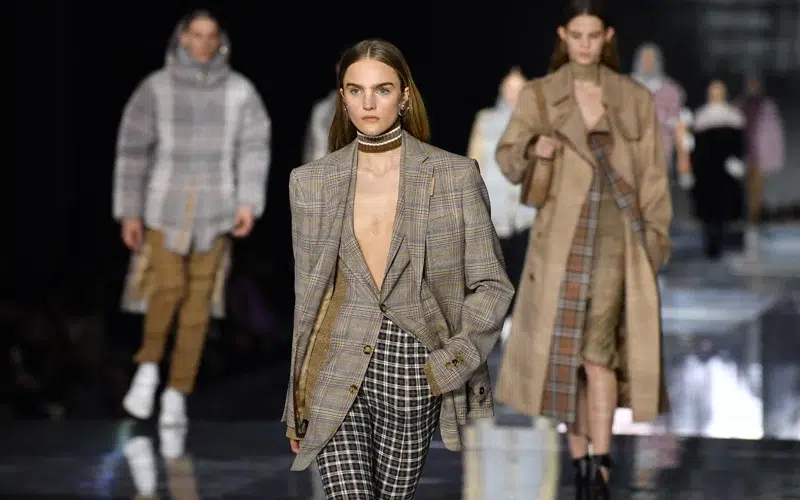
Fashion weeks in cities like Paris, Milan, and New York City serve as major platforms for these houses to unveil their latest collections. These events attract media attention and set the tone for upcoming fashion seasons worldwide.
Craftsmanship and Exclusivity
One of the defining features of luxury fashion houses is their dedication to craftsmanship. Many products are handmade by skilled artisans using the finest materials, such as premium leather, silk, and cashmere. This level of detail ensures not only durability but also uniqueness.
Exclusivity is another key factor. Limited production runs and high price points make luxury items accessible only to a select audience. This scarcity enhances desirability and reinforces the brand’s elite status. Iconic pieces like the Birkin bag from Hermès or the Classic Flap bag from Chanel are often seen as status symbols.
Sustainability and the Future of Luxury
In recent years, sustainability has become an important focus for luxury fashion houses. Consumers are increasingly demanding ethical practices, transparency, and environmentally friendly production methods. In response, many brands are adopting sustainable materials, reducing waste, and investing in circular fashion initiatives.
Companies like Kering, which owns Gucci and other high-end brands, have taken significant steps toward sustainability. Similarly, LVMH is investing in eco-friendly innovation while maintaining its commitment to luxury standards.
The Digital Transformation
Luxury fashion houses are also embracing digital transformation. E-commerce platforms, virtual fashion shows, and social media campaigns have become essential tools for reaching a global audience. While maintaining exclusivity, brands are finding new ways to engage younger consumers through digital experiences.
For example, collaborations with technology companies and the use of augmented reality (AR) allow customers to virtually try on products. This blend of tradition and technology ensures that luxury fashion houses remain relevant in the digital age.
Conclusion
Luxury fashion houses continue to define the essence of elegance, blending tradition with innovation to create timeless pieces that transcend trends. With their rich heritage, unparalleled craftsmanship, and global influence, these brands remain at the forefront of the fashion industry.
As the world evolves, luxury fashion houses are adapting to new challenges, from sustainability to digitalization, while staying true to their core values. Whether it’s a handcrafted handbag or a couture gown, each creation tells a story of artistry, prestige, and enduring style—making luxury fashion houses true icons of the modern world.